You have a blank wall and a budget that won’t stretch past forty bucks, yet you still want that cozy cottagehomedecor look. Honestly, that’s totally doable. I’ve spent the last three months hunting through Amazon for pieces that look like they cost three times what they actually did, and I’ve learned a few tricks along the way. This is a practical guide, step by step, to getting that warm, lived-in, cottagecore charm without maxing out your credit card.
## Start With a Neutral Canvas That Works With Anything
The biggest mistake I see people make is buying decor before fixing their base. A busy red wall or an orange carpet will fight every single farmhouse-style find you love. So first, look at your room and ask yourself: what’s the one neutral shade that ties it all together? Soft cream, warm beige, even a muted sage green. You don’t need to repaint a whole house. Just pick one anchor wall or a large piece of furniture like a sofa or rug.
Here’s the thing: once you have that calm background, a $12 thrift-store vase suddenly looks like a designer piece. Neutral doesn’t mean boring. It means your future Amazon finds get to stand out. So if your current space is a mess of clashing colors, start with a simple throw blanket or two in a solid tone. That alone changes the entire mood.
## Scour Amazon for Vintage Style Vases That Don’t Look Cheap
I have a confession. I own seven vases, and five of them came from Amazon for under twenty bucks each. The trick is to search for “vintage style ceramic vase” or “matte pottery vase” and then filter by size. Avoid anything that looks too shiny or too symmetrical. Real vintage pottery has tiny imperfections, a slightly off-center neck, an uneven glaze. Those are the details that make a space feel collected over time, not bought in a weekend.
One of my current favorites is a fluted ceramic bud vase that looks like something from an English country house. It cost me $16.99. Honestly, I’ve seen the same style in a high-end boutique for eighty dollars. The key difference? Packaging. So read the reviews carefully, especially the photos. Customers almost always upload real pictures that show the true color and scale. That’s how you avoid the “it arrived looking like a gray blob” surprise.
## Use Woven Baskets to Hide Clutter and Add Charm
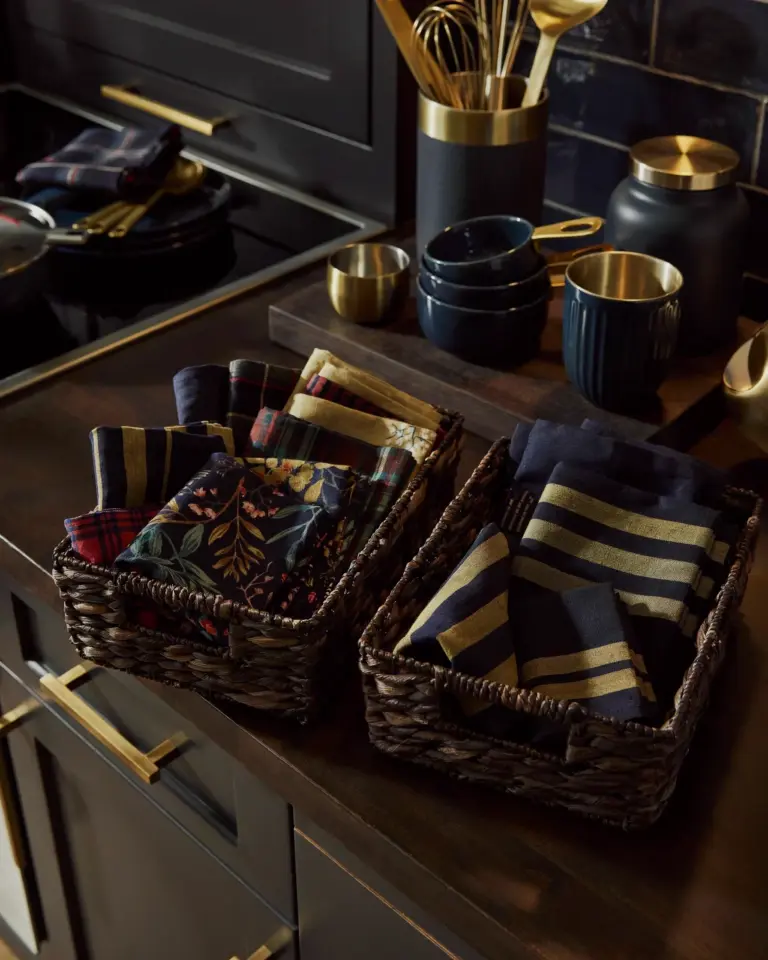
Woven baskets are the workhorses of cottagecore home decor. They hide the remote controls, the dog toys, the bills you don’t want to see. And they add a layer of texture that plain plastic bins never will. On Amazon, search for “seagrass basket” or “woven storage basket with handles.” These come in every shape and size, from tiny cylinder ones for plants to giant hampers for blankets.
Here are a few things I look for when picking baskets:
– A natural finish (no bright yellow dye that looks fake)
– Woven construction with visible gaps, not a tight machine weave
– Handles that feel sturdy, because you will be carrying them around
– A shape that fits your actual shelf or corner (measure first, seriously)
I made the mistake of buying a round basket for a square cubby once. It stuck out like a sore thumb. Round baskets work great for open corners or on top of wide tables. Square ones are better for bookcases and closets. And if you can find a set of three with different sizes, that’s the easiest way to create a cascading visual rhythm on a wall shelf.
## Pick Soft Linens That Feel Like a Hug
Forget the crisp, hotel-style sheets for this aesthetic. Cottagecore is about linen that wrinkles beautifully, cotton that’s slightly worn, and textures that make you want to crawl into bed at 8 PM. On Amazon, look for “stone washed linen duvet cover” or “slub cotton throw pillow covers.” The stone washed process makes the fabric soft from the first wash. No breaking-in period required.
A good tip is to buy just a duvet cover or a few pillow shams first, not the whole set. That way you can test the color and feel without blowing your budget. I once ordered a “cream” linen duvet that turned out to be more yellow than my morning scrambled eggs. (I sent it back. No regrets.) Stick to names like “oat” “natural” or “undyed” if you want a true neutral. And remember, slight wrinkles are your friend here. Do not iron your bed. Ever.
## Add Small Accents With Personality (Not Just Fillers)
This is where the cottagecore magic really happens. Those little objects on your windowsill, the mug you drink tea from, the candle holder on the shelf. They don’t need to be expensive. They just need to tell a story. On Amazon, I’ve found vintage style enamel mugs, tiny ceramic mushrooms, and glass cloche jars that look like they came from an antique market. My favorite purchase so far? A little ceramic fox that sits next to my kettle. He’s completely useless and I love him.
When you’re browsing, ask yourself one question: “Does this feel like something that would be in a grandmother’s cozy cottage?” Not in a creepy way, but in a warm, nostalgic way. If the answer is yes, add to cart. If it makes you think of a generic suburban living room, put it down. That’s also the time to grab a few candle holders. Mixing brass, wood, and ceramic on a single tray creates that collected-over-time look. It’s okay if they don’t match perfectly. In fact, it’s better if they don’t.
## Arrange Your Finds Like a Pro Without Overdoing It
So you’ve got your neutral base, your vases, your baskets, your soft linens. Now, resist the urge to place everything at once. I learned that lesson the hard way after my first cottagecore order arrived and I put every single item on one shelf. It looked like a flea market threw up. The secret is to group items in odd numbers, usually three, and to vary the heights. A tall vase next to a short stack of books, with a small trailing plant spilling over the edge. That works.
Another trick is to leave some empty space. You don’t need to fill every corner. Actually, empty space is what makes the decorative pieces stand out. So step back after you arrange a shelf and remove one thing. Just one. Then see how it feels. More often than not, that small subtraction is exactly what the room needed. If you still feel like something’s missing, wait a week. Live with the current setup. You’ll know what to add, and you won’t waste money on impulsive extras.
Maybe the best advice I can give, after all these months of budget shopping, is to slow down. Cottagecore isn’t a race. It’s a gradual process of collecting things that make you feel at home. A single beautiful vase on an empty wall can do more than a hundred random knickknacks. So start with one step from this guide, let it settle, and then move to the next. You’ll get there, one cozy corner at a time. And when you find a piece that makes you smile for no reason, that’s the one worth keeping. Happy hunting.
Leave a Comment