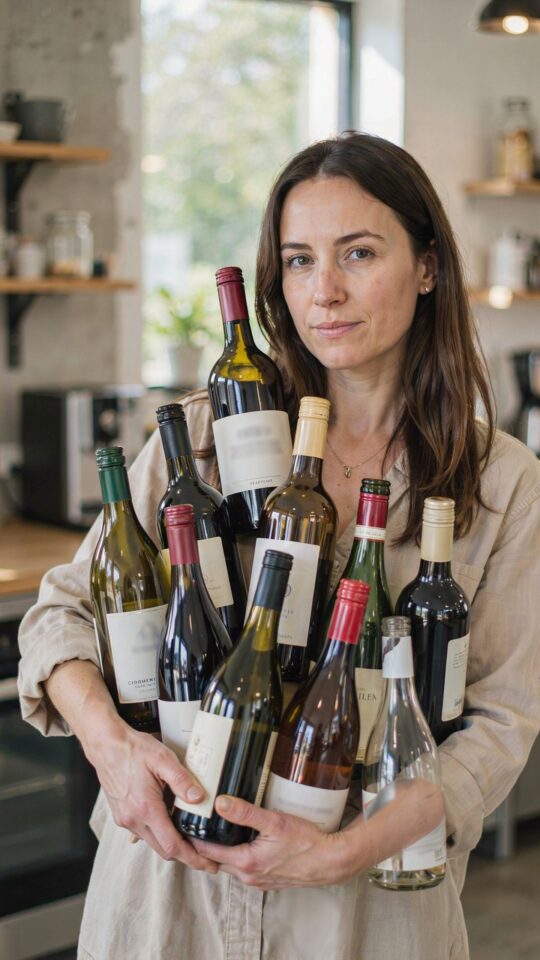
If you have ever tried to turn a few empty wine bottles into thrift store decor, you probably already know that it is not always as easy as the tutorials make it look. I have definitely ruined my share of bottles by peeling off labels too early, using the wrong paint, or skipping a simple prep step that made the whole project flop. That is why I wanted to write this post as a common mistakes guide. I have made every single one of these errors myself, so you do not have to. Whether you are a wine lover looking to reuse your empties or a thrift store shopper hunting for glass bottles to upcycle, these tips will help you nail a beautiful Empty Wine Bottle Upcycle every time.
Mistake 1: Not Cleaning the Bottles Thoroughly Enough
Honestly, the most overlooked step in any bottle craft is cleaning. A quick rinse under the tap will not cut it. Leftover wine residue and sticky juice can create a film that prevents paint or glue from sticking later. I learned this the hard way when I painted a bottle and the paint peeled off in sheets the next day.
Here is what works: Fill the bottle with hot water and a few drops of dish soap, swirl it around, and let it sit for an hour. Then use a bottle brush to scrub the inside. For the outside, soak the whole bottle in hot soapy water for 20 minutes to loosen any grime. Rinse well and dry completely. If you plan to decoupage or use adhesive, wipe the glass down with rubbing alcohol just before starting. That extra minute makes a huge difference.
Mistake 2: Fighting Stubborn Labels Instead of Letting Them Soak
Peeling a wine label while it is dry is a recipe for torn paper and sticky residue. I used to spend twenty minutes scraping goo off with my fingernail, and it never looked clean. The better way is to soak the bottle in warm water with a little baking soda for about thirty minutes. Most labels will slide right off.
For the stubborn ones, try this: mix equal parts vegetable oil and baking soda into a paste, rub it on the label residue, let it sit for fifteen minutes, then wipe away. Another trick is using a hairdryer to warm the adhesive before peeling. Avoid harsh chemicals like acetone unless you are okay with a strong smell. Once the label is off, wash the bottle again to remove any oily residue from your glue removal method.
Mistake 3: Skipping the Sanding or Priming Step
Glass is smooth. Paint needs a little grip to stay put, especially if you are just using craft acrylics. I painted a bottle with a gorgeous metallic color once, and it looked perfect until I touched it two days later and my fingerprints left permanent marks. Sanding the glass lightly with fine grit sandpaper (like 220 grit) gives the surface a matte texture that holds paint much better.
If you prefer not to sand, use a spray primer made for glass or metal. One light coat, let it dry, then sand very gently with a high grit sponge. This step is nonnegotiable for any project that involves opaque paint. For translucent or stained glass effects, you can skip primer but still need to clean with alcohol. Trust me, taking the time to rough up the surface saves you from repainting later.
Mistake 4: Choosing the Wrong Paint or Sealer
Not all paints are created equal when it comes to glass. I have tried cheap dollar store craft paint on a bottle and it looked chalky and uneven after one coat. The best options are either a spray paint formulated for glass (like Krylon Looking Glass or Rust-Oleum Specialty) or a multi-surface chalk paint that says it works on glass. Chalk paint adheres well and can be distressed for a vintage look.
Sealer is also important. If you want your bottle to hold water (for fresh flowers), you need a waterproof sealant on the inside or use a liner. For candle holders, a high heat resistant sealer is a must. I usually spray two thin coats of a clear acrylic sealer matte or gloss depending on the look I want. Let each coat dry fully before adding the next. Rushing the sealing step will ruin your finish.
- Best for painted bottles: spray paint made for glass or multi-surface chalk paint.
- Best for decoupage: Mod Podge Dishwasher Safe formula (it holds up better).
- Best for bare glass: etching cream or glass stain for a permanent, paint-free look.
Mistake 5: Overcomplicating the Design
It is easy to get excited and try to glue on a dozen different things to one bottle. I once made a bottle that had lace, beads, twine, and gold leaf
#EmptyWineBottleUpcycle #ThriftStoreDecor #UpcycledHomeDecor #SustainableLiving #WineLovers
Leave a Comment