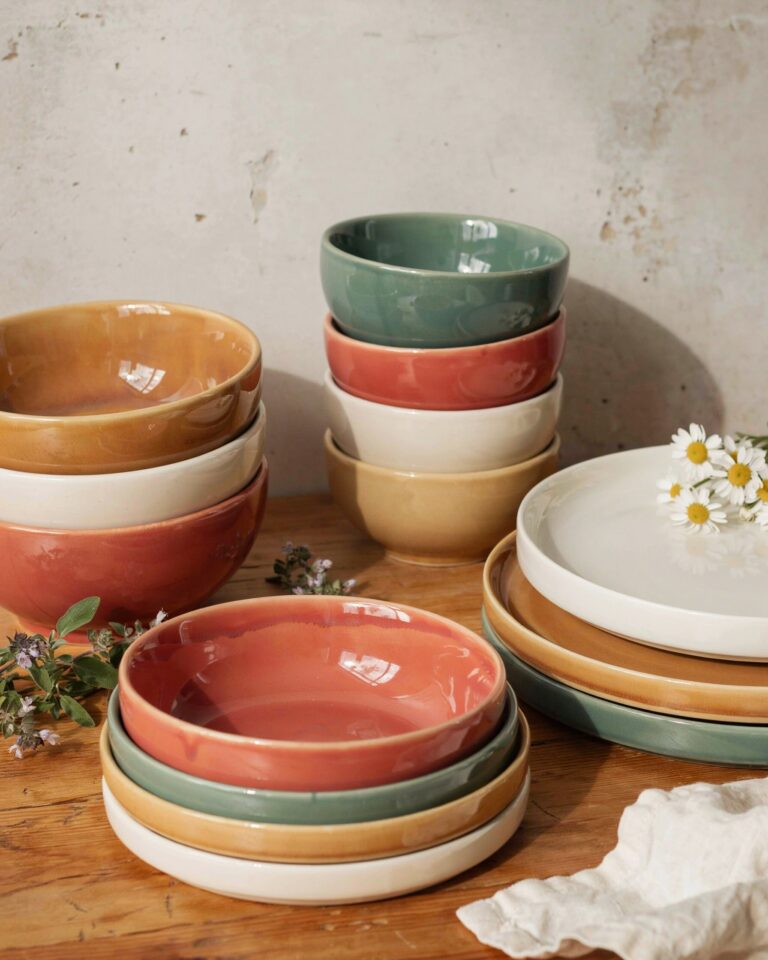
I still remember the day I spotted a full set of Bloomhouse dinnerware wedged between a chipped casserole dish and a stack of old mugs at my local thrift store. The price tag read $24 for eight place settings, and my heart did a little skip. That thrift store dinnerware collection transformed my table without wrecking my budget, and it can do the same for you. Bloomshe’s vintage inspired pieces usually run $50 to $80 per setting retail, but with patience and a sharp eye, you can score the same look for pocket change. Here is exactly how I hunt down these treasures and make them work for everyday meals and holiday gatherings.
How to Spot a Bloomhouse Pattern at the Thrift Store
Bloomhouse dinnerware is known for its romantic floral motifs, soft pastel backgrounds, and slightly scalloped edges. The most common patterns to look for are the Shabby Rose, French Garden, and Lavender Fields collections. They often come in cream or pale pink with hand painted style details.
When you walk into a thrift store, skip the shelves full of plain white plates. Head straight for the decorative dish section or the home goods aisles with mismatched sets. Flip each plate over to check the stamp. Bloomhouse pieces usually have a small logo or the word “Bloomhouse” printed on the bottom in script or block letters. If you see a pattern that looks like English country cottage meets French farmhouse, it is worth a closer look.
Pro tip: Bring a photo of a known Bloomhouse pattern on your phone. Hold it next to any plate with similar colors or flowers. You will spot the real deal faster.
What to Look for in Vintage Dinnerware Quality
Not all thrift store ceramics are created equal. Even if a piece is not Bloomhouse, you can find high quality vintage dinnerware that holds up for years. Check for these signs of durability:
- Weight: Heavier plates usually mean better clay and thicker glaze. They resist chipping and feel sturdy in your hand.
- Glaze finish: Run your finger across the surface. A smooth, even glaze without bubbles or rough spots indicates good craftsmanship.
- Edges: Look for tiny cracks or nicks along the rim. Minor wear adds character, but deep chips will get worse with washing.
- Stackability: Place two plates together. They should sit flat without wobbling. Uneven pieces are hard to store and prone to breaking.
One afternoon I found a single dinner plate with a faint gold rim and a hand painted rose. No brand stamp, but the weight and finish told me it was good quality. It paired perfectly with my Bloomhouse set later.
Mixing and Matching Thrift Store Finds for a Discounted Table
You do not need a perfect matching set to create a stylish table. In fact, a little mix and match makes your discount home decor look intentional and curated. Start with a unified color palette. For Bloomhouse, think soft pinks, creams, sage greens, and dusty blues. Then add in complementary pieces from other brands.
I like to use Bloomhouse dinner plates as the foundation. For salad plates, I grab solid cream or pale green plates from other thrift store finds. For bowls, I look for simple shapes in a matching pastel tone. The result feels collected over time, not like you bought everything off a single shelf.
Bowls with a slightly different rim detail or a subtle gold stripe actually enhance the vintage look. Just keep the overall color scheme tight, and your table will look pulled together without being matchy.
A Step by Step Guide to Building Your Own Budget Friendly Set
Building a full dinnerware set from thrift stores takes a little strategy. Here is the process I use every time I start a new collection:
Step 1: Decide how many place settings you need. Most families do well with eight, but you can start with four and add more later.
Step 2: Hunt for the main pattern first. Focus on dinner plates. They are the most visible, so find at least four to six matching ones. Bloomhouse appears often in small town thrift stores, so check multiple locations.
Step 3: Expand to salad plates and bowls. You can use the same pattern or pick a coordinating solid. I once scored a full set of Bloomhouse dinner plates in June, then found the matching salad plates in October at a different store. Patience pays off.
Step 4: Fill in with accessories. Look for serving platters, gravy boats, or small pitchers that match your color scheme. These are usually cheap because they are single items. I found a Bloomhouse platter for $3.
Step 5: Test for durability before you buy. Hold each piece up to the light
#thriftstoredinnerware #bloomhouse #discounthomedecor #vintagedinnerware #budgetfriendly
Leave a Comment