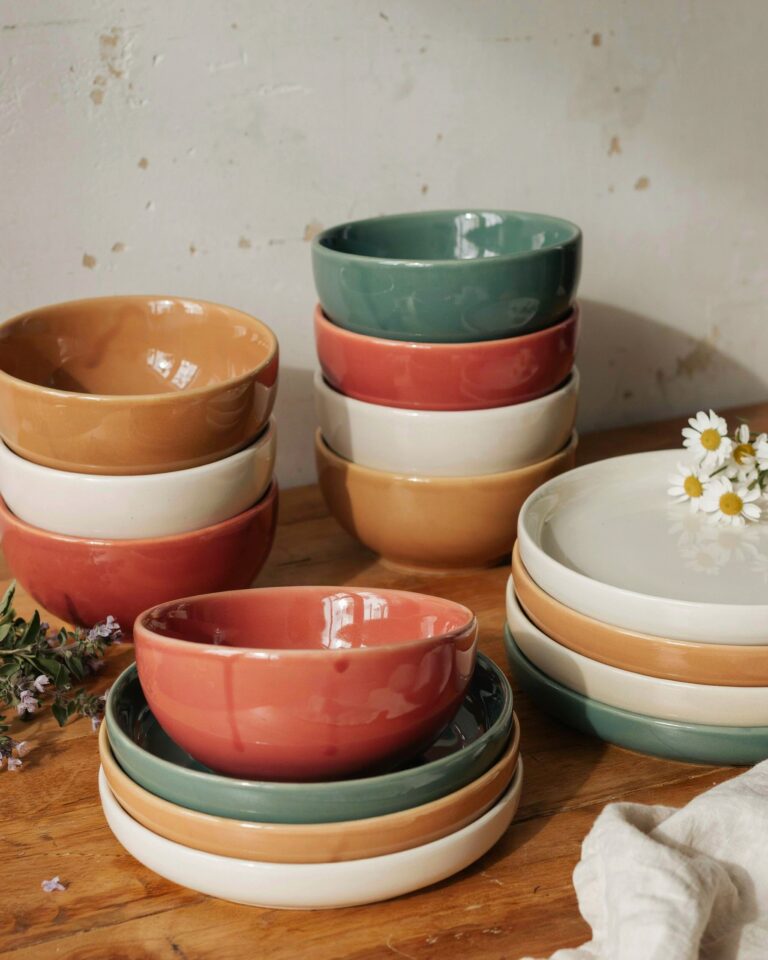
I still remember the day I found a set of four mismatched floral plates at a local Goodwill for less than five dollars. They were chipped in one corner and had a faded gold rim, but the soft greens and pinks reminded me of the Bloomhouse aesthetic I had been admiring online. That afternoon kickstarted my obsession with building a thrifted dinnerware collection that feels intentional, not haphazard. The best part? You can do the same without spending a fortune. This guide walks you through the practical steps to curate a budget-friendly Bloomhouse style tablescape using thrift store decor finds.
Why Bloomhouse Style Works with Secondhand Dishes
Bloomhouse style is all about soft, muted colors, organic shapes, and a lived in feel. It leans toward vintage floral prints, matte glazes, and slightly imperfect finishes. Thrift stores and flea markets are packed with exactly this kind of dinnerware. Older plates, bowls, and teacups often have hand painted details or subtle crazing that adds character.
Because the style is eclectic by design, you do not need every piece to match. A stack of plates with similar color tones but different patterns looks curated rather than chaotic. That is the magic of mixing secondhand pieces. You get a collection that no store bought set can replicate.
If you aim for a Bloomhouse inspired table, focus on pieces in sage green, dusty rose, cream, and soft blue. Avoid shiny modern glazes. Go for pieces that feel slightly matte or have a handmade look.
Where to Look for Thrifted Dinnerware
Not all thrift stores are created equal when it comes to dinnerware. Goodwill and Salvation Army usually have a decent selection of plates and bowls, but you have to dig. Estate sales are goldmines for older sets, especially if you go on the last day when prices drop. Church rummage sales and garage sales often yield surprise finds for next to nothing.
I have also had luck at Habitat for Humanity ReStores. They sometimes get donated kitchenware from renovation projects. Check the shelves two or three times a month because inventory changes fast. Online marketplaces like Facebook Marketplace and Craigslist let you search for keywords like “vintage dinnerware set” or “mismatched plates lot.”
- Goodwill or Salvation Army: check the glassware aisle, not just the kitchen section.
- Estate sales: search online listings for sales in your area, go on the final day for half priced items.
- Rummage sales: bring cash and a reusable bag, look for boxes labeled “kitchen odds and ends.”
- Facebook Marketplace: set an alert for “dinnerware” within a 10 mile radius.
- Habitat ReStore: skip the furniture and head straight to the housewares shelf.
How to Mix and Match Plates and Bowls
The easiest way to start is by picking a color palette. Choose two or three main colors that appear across your finds. For example, cream plates as the base, sage green salad plates, and dusty rose side plates. Then layer them on the table. Place the largest plate down first, then a smaller one with a different pattern on top.
Bowls can follow the same logic. Use solid colored bowls with patterned plates, or vice versa. Do not overthink it. Stack each place setting and stand back. If your eye does not get confused, the mix is working. The key is repetition. If you use a floral bowl, repeat that floral somewhere else on the table, maybe as a napkin ring or a small vase.
Plates that share a similar shape or rim width look cohesive even if the artwork varies. Round, slightly scalloped, or octagonal shapes all work together as long as the colors stay in your chosen family.
What to Check Before You Buy
Inspect every piece carefully. Hold it up to the light to see if there are hairline cracks. Run your finger around the rim to feel for chips. A small chip might not bother you if it is on the bottom, but a crack can widen with dishwashing. Also check if the pattern is painted on top of the glaze, it may wear off faster.
Some older dinnerware contains lead, especially if the glaze is brightly colored inside the dish. For everyday use, stick to plain white or cream interiors. Vintage Pyrex and Fiestaware are collectible but test for lead if you plan to eat off them. You can buy simple lead testing kits at hardware stores for under ten dollars.
Do not overlook mugs and teacups
#thriftedtableware #budgetfriendlydecor #dinnerware #thriftstorestyle #discountdecor
Leave a Comment